Check rights of light before you build

Planning permission doesn't settle a neighbour's private right to light. Send us your plans and our rights of light specialist, Toby Rogan-Lyons, will review whether your scheme is likely to raise a rights of light issue, and what you can do about it before work starts.

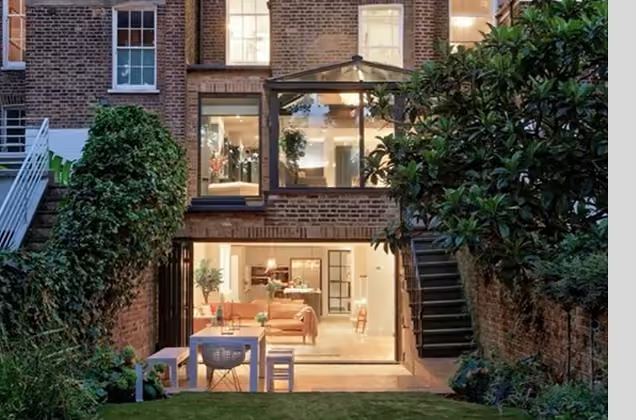
Glazed rear extension on a London terraced house at dusk

For homeowners extending, architects and developers

Send us your drawings and the site address. We’ll confirm what the appraisal involves and quote it in writing before any work starts.

Concerned about building work next door? Our advice for affected neighbours is on a separate page. Go to neighbour advice →

Why check before you build

Planning permission and rights of light are separate questions.

Your council looks at daylight and sunlight to neighbours as part of the planning decision, usually with the BRE guidelines. A right of light is different: a private legal right a neighbouring building may have to receive light through particular windows. A scheme can pass the BRE tests and get permission yet still interfere with one, and planning permission is no defence to a claim.

Where a right exists and the interference is serious enough, a neighbour may claim compensation or, in some cases, an injunction. Many extensions and smaller schemes never raise the issue. A confidential appraisal tells you whether yours might, while there’s still time to adjust the design.

Send us your plans for an appraisal

Services and stages

Start with an appraisal. Go further only if it’s justified.

Each stage is scoped and quoted in writing before any work starts, and you decide whether to go on to the next one. Most schemes only ever need the first stage.

Stage 2, only where justified

Detailed assessment and strategy

If screening suggests a material risk, a detailed assessment models the affected rooms and assesses the potential interference, usually with a Waldram-type analysis. It may need room layouts, measured survey information or a site visit; we’ll explain what’s needed before quoting. You receive a technical report and a recommended strategy: redesign, seek releases, insure, or a combination.

Separately quoted

Design changes and cutback advice

Where the risk is significant, we show which parts of the massing cause it and test alternatives, so your architect can adjust the design before it’s fixed.

Separately quoted

Compensation estimates and negotiation of releases

We can estimate a likely range of compensation and, if you instruct us, approach neighbours and negotiate releases on your behalf.

Separately quoted

Reports supporting insurance enquiries

Some owners manage remaining risk with rights of light insurance. We can prepare a technical report for your broker or insurer. Whether cover is offered, and on what terms, is for the insurer to decide. Insurers usually expect that no neighbour has been approached, so speak to us before anyone writes next door. We don’t sell insurance.

For your planning application

BRE daylight and sunlight report

The planning assessment we’re known for. It answers a different question from a rights of light appraisal, but if you need both we can often use the same 3D model.

See the BRE assessment →

How charges work

Each quote is based on the buildings and windows involved. We don’t publish fixed prices for rights of light work because every site is different.

Later stages, including detailed assessment, measured survey or site visit, design testing, compensation estimates, negotiation and insurance reports, are quoted separately and only when you ask for them.

If the appraisal shows little or no risk, we’ll say so. You pay only for the stage you instructed, and we won’t recommend further work we don’t think is justified.

Where a solicitor comes in

We handle the technical side: whether neighbouring windows are likely to have a right, how far your scheme would interfere with it, what that risk is worth, and negotiation if you instruct us. Your solicitor checks title documents, documents any release or agreement, and handles any dispute.

Toby Rogan-Lyons

Who reviews your appraisal

Toby Rogan-Lyons

Rights of Light Specialist

Toby has spent 20 years in daylight, sunlight and rights of light consultancy, including at Lichfields and GL Hearn, advising developers, architects and local authorities. He’s known for resolving rights of light issues through sensible negotiation rather than drawn-out disputes.

He reviews every rights of light appraisal we issue, working with the same modelling team that produces our BRE daylight and sunlight assessments.

Rights of light explained

What a right of light is, and why planning permission doesn’t settle it.

A right of light is a private legal right (an easement) that a building may have to receive light through particular windows or openings across neighbouring land. It concerns whether a room keeps enough light for its ordinary use, which the courts have generally assessed in terms of light from the sky rather than direct sunlight.

01How a right may arise

  • Long use. Under the Prescription Act 1832, light enjoyed through a window for 20 years may give rise to a right. Whether a right exists depends on the facts: the ownership and occupation history, any written consent or agreement, and any interruption.
  • Deeds and exceptions. A right can also arise under the doctrine of lost modern grant or be granted in deeds, and deeds can equally limit or exclude rights of light, so title documents matter. A right generally can’t be acquired by long use against land in the same possession (for example where one person owned and occupied both properties, though landlord and tenant arrangements can matter) or against Crown land. This page describes the law of England and Wales; please tell us if the site is in Scotland or Northern Ireland.

02How interference is assessed

The legal question is whether enough light remains for the ordinary use of the room. Surveyors usually assess this with a Waldram-type analysis of how much of the room at working height can see a set amount of sky.

Around half of a room remaining adequately lit is a common rule of thumb, not a fixed legal threshold, and a room that is already poorly lit is more sensitive to further loss. If a court finds an actionable interference it may award damages or grant an injunction; most matters settle by agreement, and outcomes vary widely.

03Ways to manage the risk

  • Design. Adjusting the massing early is often the simplest way to reduce risk.
  • Releases. A neighbour may agree to release or vary a right, usually for payment, documented by solicitors.
  • Insurance. Cover may be available for some risks; it doesn’t stop a neighbour bringing a claim.
  • Light obstruction notice. Under the Rights of Light Act 1959 a registered notice can interrupt the 20-year period for a window that hasn’t yet acquired a right; it doesn’t remove an existing right.
WHAT YOU RECEIVE

A clear answer you can act on.

— Which neighbouring windows could be affected

— Whether they are likely to benefit from a right of light

— An indication of the level of risk, and why

— A recommendation: proceed, adjust the design, or assess in more detail

— Prepared confidentially for you
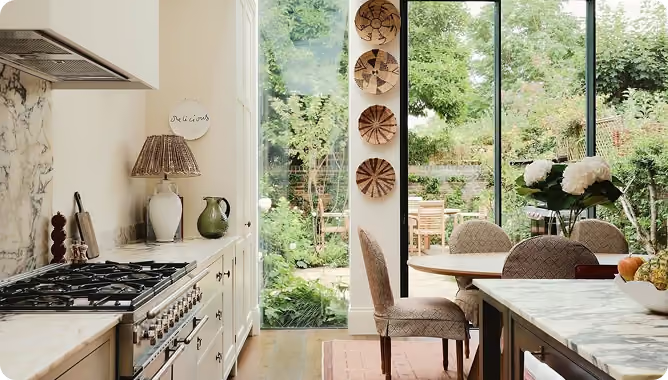
Kitchen in a glazed side-return extension overlooking a garden
Open-plan living space in a rear extension with glass roof and garden doors
HOW IT WORKS

A decision at every stage.

01  Send us your plans and the site address. We confirm the scope and quote in writing.

02  We review the drawings and neighbouring buildings and screen the risk.

03  Toby Rogan-Lyons reviews the findings.

04  You receive a short written summary and our recommendation.

05  You decide whether anything more is needed. Nothing further happens without your instruction.

WHY CHECK EARLY

Issues found after you've built are the hardest to fix.

Know the risk before you commit

Change the design while it's easy

Respond calmly to a neighbour's letter

Frequently asked
questions

Rights of light before you build, answered.

a mail icon

Still need help?

Please reach us at nick@daylightassessments.co.uk
if you cannot find an answer to your question.

Does planning permission deal with rights of light?

No. Planning considers daylight and sunlight in the public interest, usually with the BRE guidelines. A right of light is a private right between neighbours. Planning permission doesn’t authorise interference with it.

My neighbour didn’t object to the planning application. Am I safe?

Not necessarily. A planning objection and a rights of light claim are separate. A neighbour may raise a rights of light issue later, sometimes once work has started, when changes are hardest to make. An appraisal before you start gives you time to act.

Can I just insure the risk?

Sometimes. Whether cover is available, and on what terms, is for the insurer. Insurers usually expect that no neighbour has been approached, so speak to us before anyone writes next door. We can prepare a report to support an insurance enquiry, but we can’t guarantee that cover will be offered.

Will you contact my neighbours?

No, unless you instruct us to negotiate releases. The appraisal is prepared for you and doesn’t go on the planning file.

Is the appraisal confidential? Is it privileged?

We keep your instruction and our report confidential and won’t share them without your consent. Confidential isn’t the same as legally privileged: a surveyor’s report could have to be disclosed if a dispute reaches court. If privilege may matter, ask your solicitor to instruct us.

Do I need a solicitor?

Not for the appraisal. If a release, agreement or dispute follows, your solicitor handles the legal side and we provide the technical evidence.

Planning to build? Check rights of light first.

Send us your plans for an appraisal. We'll confirm the scope, quote it in writing, and tell you plainly if there's nothing to worry about.