Concerned about building work next door?

Whether it's a planning application or a letter from a developer, we'll help you understand how it could affect your light and what your realistic options are. Honest advice, reviewed by rights of light specialist Toby Rogan-Lyons, and we never take a share of any settlement.

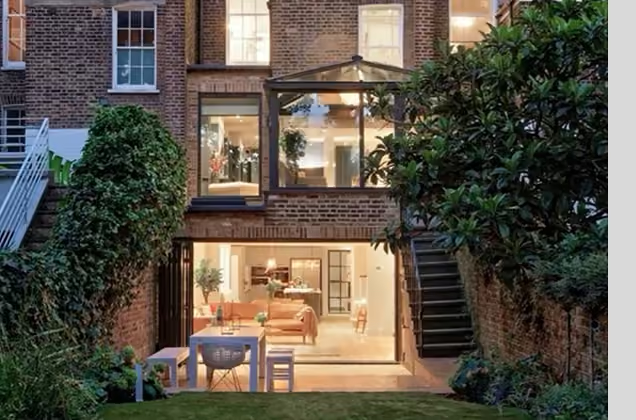
Glazed rear extension on a London terraced house at dusk

For affected neighbours and property owners

Send us the planning application reference or the developer’s letter, your address and any deadline. You don’t need drawings. We’ll tell you which service fits and quote it in writing before any work starts.

Planning building work yourself? Our advice for owners, architects and developers is on a separate page. Check rights of light before you build →

Two separate routes

A planning objection and a rights of light claim are different things.

The council decides a planning application in the public interest, usually weighing daylight and sunlight against the BRE guidelines. An objection can inform that decision, but it doesn’t create a right to compensation.

A right of light is a private legal right your windows may have acquired. It is pursued through negotiation or the courts, not the planning system, and planning permission doesn’t remove it. You may need one route, both, or neither. We’ll tell you which, and we’ll say plainly if we don’t think there’s a case.

Send us the planning application or developer’s letter

Our services for neighbours

Two services, each starting with a clear first step.

Not sure which you need? Send us what you have and we’ll tell you. Each stage is quoted in writing before work starts, and nothing further happens without your instruction.

Work is planned or under way, or you’ve had a letter

Rights of Light Claim Appraisal

We assess whether your windows may have a private right of light and whether a detailed technical investigation is justified.

Stage 1: Entitlement and screening
We look at whether the affected windows are likely to benefit from a right of light, for example how long they have been in place and the ownership history, and carry out preliminary screening of the development’s likely effect. You receive a written initial view and our recommended next step.
Stage 2: Detailed assessment, only if justified
Detailed analysis assesses the potential interference room by room, usually with a Waldram-type analysis. It may need room measurements, a site visit or measured survey information, and is quoted separately.
Stage 3: Valuation and negotiation, if appropriate
If there appears to be an actionable interference, we can estimate a range for compensation and negotiate with the developer or their surveyor on your behalf. This is quoted separately. Any legal agreement, and any court action, needs a solicitor.
Send us the developer’s letter →

When you need a solicitor

We’re surveyors, not solicitors, so we deal with the technical and valuation side. You’ll need a solicitor to confirm the legal position from your title, before signing any release or agreement, if you receive a light obstruction notice, and to seek an injunction or bring a claim. If building work is about to start, act promptly: delay can affect what a court is prepared to do.

Toby Rogan-Lyons

Who reviews your case

Toby Rogan-Lyons

Rights of Light Specialist

Toby has spent 20 years in daylight, sunlight and rights of light consultancy, including at Lichfields and GL Hearn. He’s known for resolving rights of light issues through sensible negotiation rather than drawn-out disputes.

He reviews every neighbour case we take on.

Rights of light explained

What a right of light is, and what it isn’t.

A right of light is a private legal right (an easement) that a building may have to receive light through particular windows or openings across neighbouring land. It is separate from planning, which considers daylight and sunlight in the public interest. A private right concerns whether a room keeps enough light for its ordinary use, which the courts have generally assessed in terms of light from the sky rather than direct sunlight. Loss of sunlight can still be a relevant planning consideration.

01Do my windows have a right of light?

Long use. Under the Prescription Act 1832, light enjoyed through a window for 20 years may give rise to a right. Whether a right exists depends on the facts: the ownership and occupation history, any written consent or agreement, and any interruption.

Deeds and exceptions. A right can also be granted, limited or excluded in the deeds, so your title documents matter. A right generally can’t be acquired by long use against land in the same possession (for example where one person owned and occupied both properties, though landlord and tenant arrangements can matter) or against Crown land. This page describes the law of England and Wales; please tell us if the property is in Scotland or Northern Ireland.

02How loss of light is assessed

Not every loss of light is legally actionable. The question is whether enough light remains for the ordinary use of the room, which surveyors usually assess with a Waldram-type analysis of how much of the room can see a set amount of sky.

Around half of a room remaining adequately lit is a common rule of thumb, not a fixed legal threshold. Preliminary screening tells us whether a detailed analysis is justified.

03What a right can and can’t achieve

If a court finds an actionable interference it may award damages or grant an injunction; neither is guaranteed and most matters settle by agreement. Compensation varies widely, so we won’t suggest a figure until we’ve looked at your rooms. A planning objection doesn’t establish a claim, and planning permission doesn’t resolve a private right.

WHAT TO SEND US

No drawings needed to get started.

— The planning reference or a link to the application

— Any letter from the developer or their surveyor

— Your address and the development site address

— Any deadline you're working to

— Optional: photos of the affected windows from inside
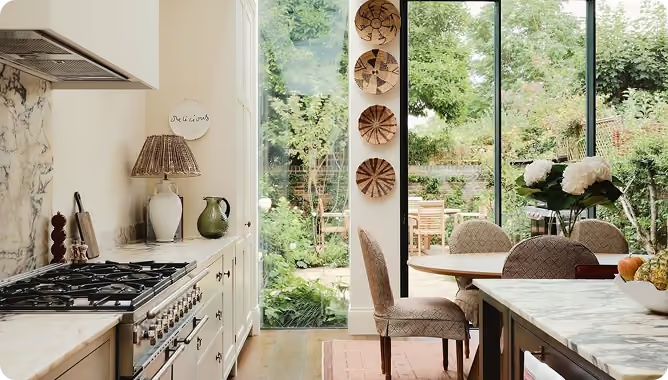
Kitchen in a glazed side-return extension overlooking a garden
Open-plan living space in a rear extension with glass roof and garden doors
HOW IT WORKS

You decide at every stage.

01  Send us the planning reference or the developer's letter, your address and any deadline.

02  We run a conflict check, confirm which service fits and quote in writing.

03  We review the application or development against your windows.

04  Toby Rogan-Lyons reviews our findings.

05  You get a written view and a recommended next step. Nothing further happens without your instruction.

WHY GET ADVICE EARLY

Deadlines come round quickly.

Respond before the consultation closes

Know if your concern is evidence-based

Understand a letter before you reply

Frequently asked
questions

Loss of light from building work next door, answered.

a mail icon

Still need help?

Please reach us at nick@daylightassessments.co.uk
if you cannot find an answer to your question.

Will objecting to the planning application get me compensation?

No. An objection can inform the council’s decision, but it doesn’t create a right to compensation. Compensation, if any, comes from a private right of light, which is a separate matter.

Planning permission has been granted. Is it too late?

Too late to object, but planning permission doesn’t resolve a private right of light. If you think your windows may have one, a claim appraisal can tell you whether it’s worth investigating. If building is about to start, act promptly.

How do I know if I have a right of light?

It depends on how long the windows have been there, the ownership history, and anything in the deeds. Twenty years’ use may give rise to a right, but it isn’t automatic in every case. Stage 1 of our claim appraisal gives you an initial view; a solicitor can confirm the legal position from your title.

How much compensation could I get?

We can’t say without looking at the specific rooms. Many losses of light aren’t legally actionable, and where they are, outcomes vary widely. If a detailed assessment suggests an actionable interference, we can estimate a range. We won’t promise a settlement.

Do you work on a no-win-no-fee basis or take a percentage?

No. Each stage is quoted in writing before work starts, and we never take a percentage of a settlement. If we think your case is weak, we’ll tell you.

I’ve had a letter from the developer’s surveyor. What should I do?

Don’t sign anything yet. Note any response date in the letter and send us a copy with your address. Before agreeing to any release or payment, take advice from a solicitor.

Can you stop the building work?

No. Only a court can grant an injunction, and that needs a solicitor. It isn’t guaranteed even where a right is infringed, and delay can affect what a court is prepared to do.

Is your advice confidential? Is it privileged?

We keep your instruction confidential and won’t share our advice without your consent. Confidential isn’t the same as legally privileged: a surveyor’s report could have to be disclosed if a dispute reaches court. If privilege may matter, ask your solicitor to instruct us.

Worried about the building work next door?

Send us the planning application or the developer's letter, with your address and any deadline. We'll tell you which service fits and quote it before any work starts.