Rights of Light Advice, Without the City Fees

Planning permission doesn't remove a neighbour's right to light. Whether you're extending your home, building something bigger or worried about work next door, our rights of light specialist Toby Rogan-Lyons tells you where you stand, what it's worth and what to do next.

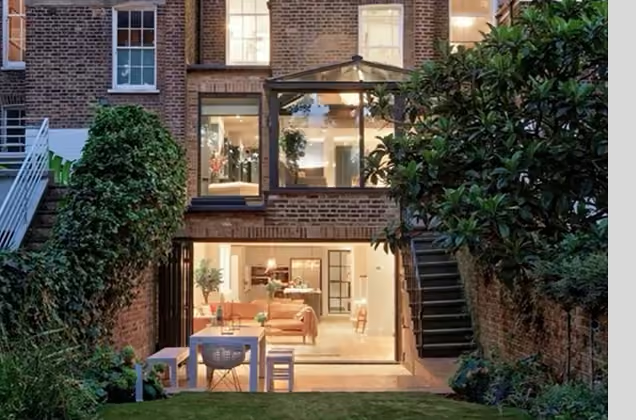
Glazed rear extension on a London terraced house at dusk

Why it matters

Planning is one question. A right of light is another.

A right of light is a legal easement, separate from planning. If a neighbour's window has received daylight across your land for 20 years, they have a right to keep enough of it. Build so that a room drops below the legal threshold and they can claim compensation — or, in the worst case, an injunction to cut back or stop the building. A planning consent is no defence.

Most extensions and small developments never trigger a claim. Some do, and the ones that do are expensive late. A rights of light appraisal before you build tells you which kind of scheme you have. The BRE tests your council uses are different from the Waldram test the courts use: see how the BRE tests work.

If there is an injury, we tell you what would fix it rather than leaving you with a problem.

Ask about an appraisal

Services we provide

From a quick confidential check to full negotiation.

Planning an extension or new build?

Rights of Light Report & Strategy

For schemes where the appraisal finds an actionable injury. A full report suitable for solicitors and insurers; cutback advice showing what you can build without injury; book-value compensation estimates; the choice between insurance, release and redesign; and negotiation of releases with adjoining owners on your behalf. Light obstruction notices where a neighbour’s right is about to crystallise.

Talk to us about a scheme →

Rights of Light Insurance Reports

Where an injury can’t be designed out, insurance is often cheaper than a release. We prepare the report in the form insurers and their brokers need and confirm no neighbour has been approached. We don’t sell insurance and take no commission.

Ask about an insurer-ready report →

Daylight & Sunlight Reports

The BRE planning assessment you already know us for. If the scheme has rights of light exposure too, we add the appraisal using the same 3D model: one model, one report.

See the BRE assessment →

Worried about building work next door?

If building work next door threatens your light, we’ll tell you honestly whether you have a case. We never take a percentage of your settlement, and we won’t take on a case we don’t think stands up. We also act for developers, so we run a conflict check before taking any neighbour instruction.

Rights of Light Claim Appraisal

Worried a new building will take your light, or had a letter from a developer? We first check whether your windows are likely to hold a right of light, then run a Waldram analysis only if there’s an injury worth pursuing. Where there is, we value it and represent you in the negotiation.

Get a claim appraisal →

Rights of light explained

What a right of light is, and why planning permission doesn’t settle it.

A right of light protects the daylight that reaches a room through its windows from the sky. It belongs to the building, passes to each new owner, and is a private legal right, separate from planning. Sunlight itself has no legal protection, so orientation doesn’t matter: it’s about light from the sky.

01How a right of light is gained

  • 20 years’ use. By far the most common route. Light enjoyed without interruption for 20 years becomes a legal right. Because an interruption has to last a full year to count, a window is effectively safe after 19 years and a day.
  • Lost modern grant. Where light has been enjoyed for any 20-year period, a court can treat the right as if it had once been granted in writing.
  • Express or implied grant. Occasionally a right is written into the deeds, or arises when land is sold off by an owner who keeps the plot next door.

Rights can only exist between properties in separate ownership, and a rebuilt building can carry rights over if its new windows sit in much the same position.

02How loss of light is measured

The law entitles a room to enough light “for the ordinary notions of mankind”. In practice this is tested with a Waldram analysis: how much of the room, at desk height (850 mm), can see a set minimum amount of sky.

  • Around 50% of the room is the usual benchmark for offices and shops, and 55% for homes, schools, hospitals and hotels, where the courts have been more protective.
  • A reduction below that level is potentially actionable. In a room that is already poorly lit, any further loss can be.
  • Losses are weighted by how close they are to the window, giving an “equivalent first zone” figure that underpins compensation.

03What a court can do

If a neighbour’s right is infringed, a court can grant an injunction, either stopping the building or ordering the offending part to be removed, or award damages instead.

  • Damages are more likely where the injury is small, can be valued in money, and an injunction would be oppressive.
  • Compensation can be a multiple of the “book value” of the light lost, or a share of the profit from the part of the building that causes the loss, sometimes a third or more.
  • Conduct matters. Courts take a dim view of developers who know they may cause an injury and press on regardless.

04How a development can be protected

  • Design. Adjust the massing so the injury falls away. Usually the cheapest answer if it’s caught early.
  • Negotiation. Agree a release with the neighbour. It gives certainty, but timing and approach matter.
  • Insurance. Covers the financial cost of a successful claim, though it won’t stop a neighbour bringing one.
  • Light obstruction notice. Registered for 12 months, it stops a neighbouring window from completing its 20 years.
  • Section 203. On some local-authority-led schemes, rights can be overridden, with neighbours compensated rather than able to stop the work.

This is a general summary, not legal advice. Every case turns on its own facts, so we always look at the specific buildings, windows and rooms before advising.

WHAT THE APPRAISAL COVERS

The tests a solicitor or insurer will look for.

— Waldram analysis of every affected neighbouring room

— Room-by-room result: no injury, minor injury, or actionable injury

— Indication of the scale of any compensation

— Cutback envelope showing what you can build without injury

— Clear recommendation: proceed, adjust, insure or take full advice
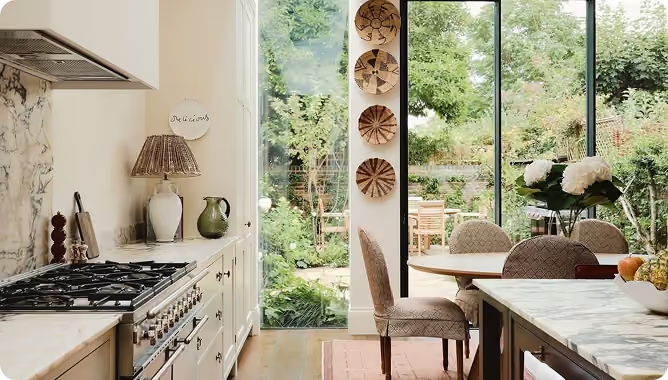
Kitchen in a glazed side-return extension overlooking a garden
Open-plan living space in a rear extension with glass roof and garden doors
HOW IT WORKS

A decision, not a document.

01  Send us the drawings: plans, elevations and the address, and we'll come back to you with a quote.

02  We model and analyse: 3D context model, daylight and Waldram analysis.

03  Toby reviews: every result checked by our rights of light specialist.

04  You get a decision: a short report with a clear next step.

05  Confidential: no neighbour is contacted and nothing goes on the planning file.

WHY APPRAISE BEFORE YOU BUILD

A claim after you've built is the expensive kind.

Know your exposure early

Answer a rights-of-light letter

Avoid an injunction

Toby Rogan-Lyons

Who leads it

Toby Rogan-Lyons

Rights of Light Specialist

Toby has spent 20 years in daylight, sunlight and rights of light consultancy, including at Lichfields and GL Hearn, advising developers, architects and local authorities. He’s known for resolving rights of light issues through sensible negotiation rather than drawn-out disputes.

He leads every rights of light instruction at Daylight Assessments UK and reviews every report, backed by the same modelling team that produces our BRE daylight and sunlight assessments.

Frequently asked
questions

Rights of light explained before you instruct.

a mail icon

Still need help?

Please reach us at nick@daylightassessments.co.uk
if you cannot find an answer to your question.

Does planning permission deal with rights of light?

No. Planning considers daylight under the BRE guidelines; a right of light is a private legal right between neighbours. A scheme can meet the BRE guidelines and still injure a right of light, and vice versa.

My neighbour hasn't objected. Am I safe?

Not necessarily. A claim can be made after you've built, when the loss is visible and the remedy is most expensive. An appraisal before you start gives you time to act.

What's the difference between the BRE tests and the Waldram test?

The BRE tests measure sky visibility and sunlight hours at windows for planning. The Waldram method measures how much of a room's floor area stays adequately lit by sky, which is what the courts use. Different question, different answer — so we run both.

Can I just insure it?

Often, yes, and it's usually cheaper than paying a release. But insurers need a report that shows no neighbour has been approached, so get the appraisal before anyone writes to next door.

Will you contact my neighbours?

Not unless you instruct us to negotiate a release. The appraisal is confidential and does not go on the planning file.

I'm the neighbour. Will you take my case on no-win-no-fee?

No. We tell you plainly if the case is weak, we don't approach neighbours of planning applications and we never take a percentage of a settlement.

How much does it cost?

It depends on the buildings and windows involved. Send us the drawings and address and we'll come back to you with a quote before any work starts.

Do you cover my area?

We work nationwide from the drawings; site visits only where a measured survey is needed.

Know where you stand before you build.

Send us your drawings and the address. We'll tell you whether there's a rights of light issue to deal with, and if you don't need us, we'll say so.